Once you reach your 50s, the pace of physical change becomes noticeably faster. Muscle mass naturally declines, metabolism slows, and the risk of various chronic conditions—both large and small—begins to rise. But taking care of your health at this stage isn’t about stopping the aging process; it’s an investment that determines how you’ll live the next 20 or 30 years. Today, let’s go over the essential health knowledge everyone over 50 should know.
1. Watch Out for Sarcopenia (Muscle Loss)
Muscle mass gradually decreases after your 30s, but the rate accelerates significantly starting in your 50s. Losing muscle lowers your basal metabolic rate, increases the risk of falls, and makes managing chronic conditions more difficult. To prevent this, strength training two to three times a week is essential. You don’t need heavy equipment—bodyweight exercises like squats, resistance band training, and climbing stairs are enough to make a real difference.
2. Start Taking Care of Your Bones Now
Women in particular can experience a sharp drop in bone density after menopause due to decreased estrogen levels. Men aren’t exempt either—the risk of osteoporosis steadily increases after 50 for both sexes. Pay attention to your calcium and vitamin D intake, and try to get 15–20 minutes of sunlight exposure daily. Regular bone density screenings are also recommended.
3. Blood Pressure and Blood Sugar Can Rise Silently
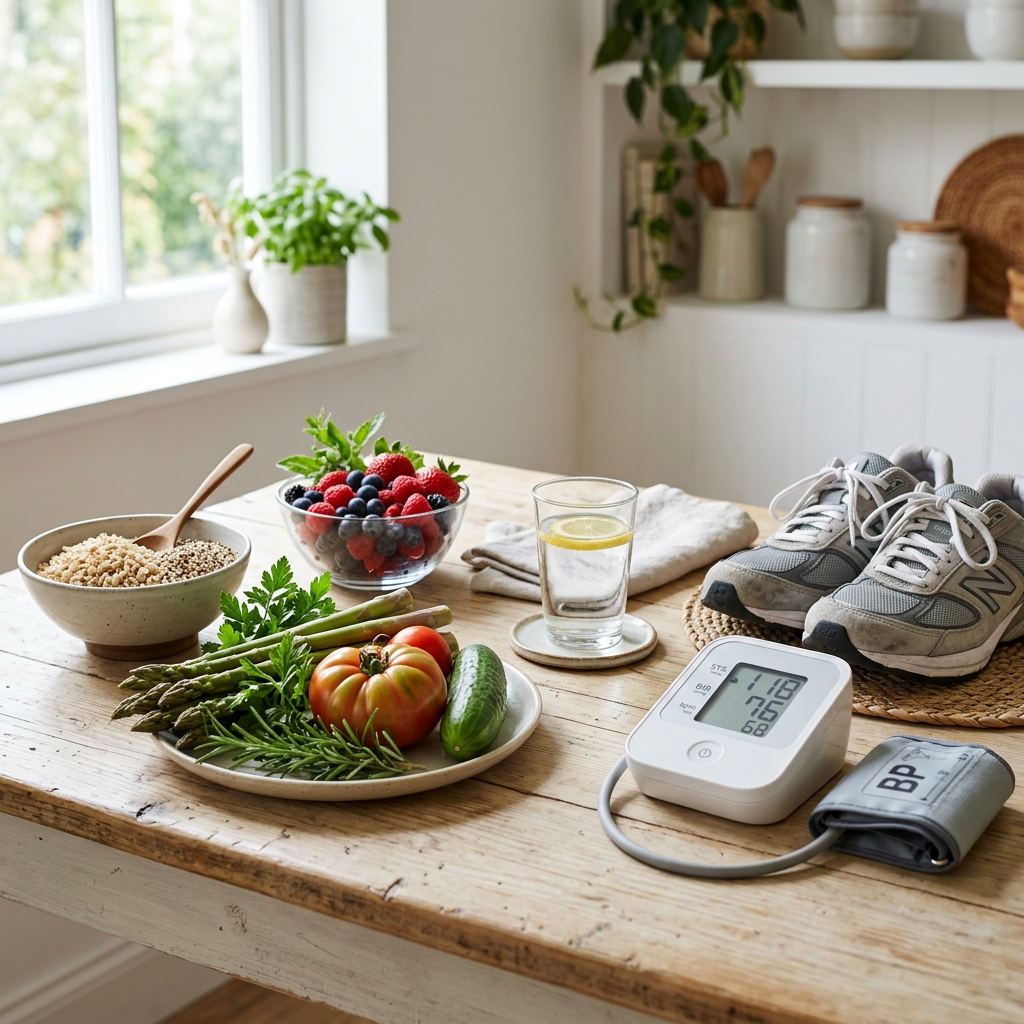
High blood pressure and diabetes often progress with no noticeable symptoms, which is why they’re sometimes called “silent diseases.” Starting in your 50s, it’s important to get at least one health checkup a year to monitor your blood pressure, fasting blood sugar, and cholesterol levels. Reducing salty foods and refined carbohydrates, combined with regular aerobic exercise like walking, can greatly help with management.
4. Joint Health: Consistency Matters More Than Intensity
Knees, shoulders, and lower back joints naturally wear down with age. Rather than suddenly starting intense workouts, it’s better to build strength and flexibility through low-impact activities like walking, swimming, or stationary cycling. Making stretching a habit before and after exercise can significantly reduce the risk of injury.
5. Sleep Quality Determines Overall Health
Sleep quality often declines with age. Poor deep sleep can lead to weakened immunity, memory decline, and emotional instability. Keeping a consistent sleep and wake schedule, and cutting back on caffeine and smartphone use before bed, can make a noticeable difference in sleep quality—no special equipment required.
6. Mental Health Matters as Much as Physical Health
Retirement, children leaving home, and physical changes make the 50s and beyond a major turning point emotionally as well. If feelings of depression or low energy persist, don’t dismiss them as a normal part of aging—consider talking to a professional or actively maintaining relationships with those around you. Social activities and hobbies play a big role in supporting mental well-being.
7. Regular Checkups Are Not Optional
Regular health screenings are critical for the early detection of major conditions like cancer and cardiovascular disease. Beyond standard national health checkups, it’s worth considering additional tests for conditions that run in your family. Paying attention to even small warning signs is the first step toward preventing serious illness.
Health after 50 isn’t just about avoiding illness—it’s about living with vitality. By applying these pieces of advice to your daily life one at a time, you can look forward to a healthier, more active life in the years ahead.
This article provides general health information. Please consult a medical professional regarding advice tailored to your individual health condition.


Leave a Reply