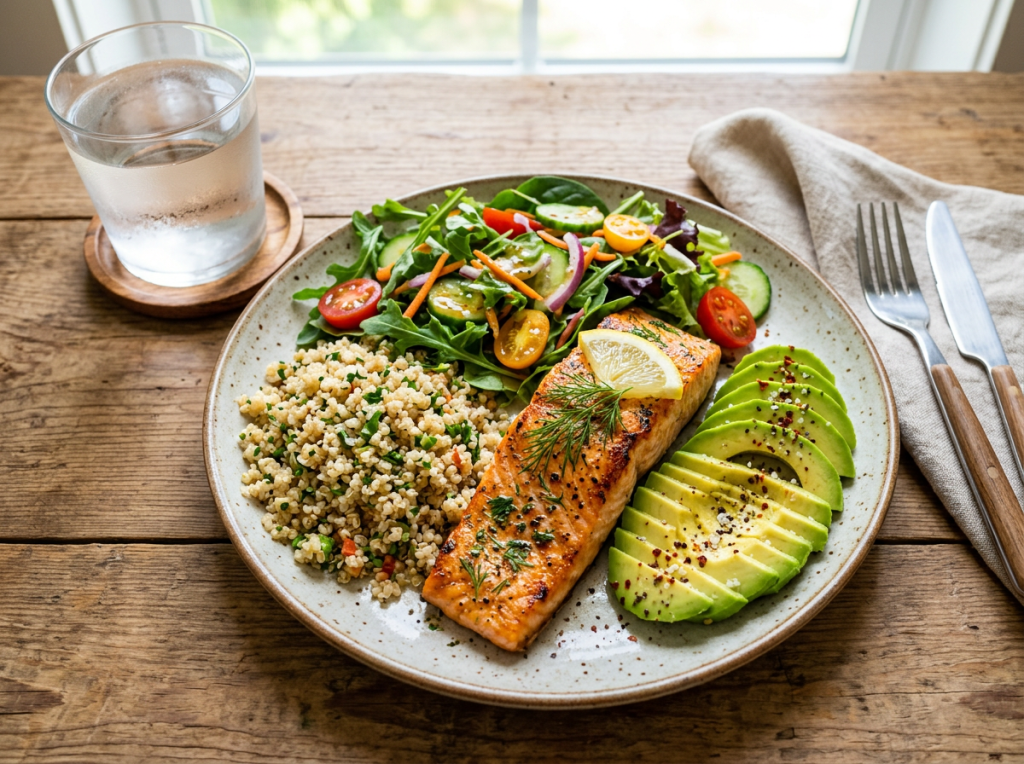
Turning 50 brings noticeable changes to how your body processes food. Metabolism slows down, muscle mass declines, and nutrient absorption becomes less efficient. That doesn’t mean you need to eat less or give up the foods you love—it means being more intentional about what goes on your plate. Here are the key dietary habits worth building into your daily life after 50.
1. Prioritize Protein at Every Meal
Muscle loss accelerates with age, and protein is one of the most effective tools to slow it down. Aim to include a protein source—eggs, fish, chicken, tofu, beans, or Greek yogurt—at every meal rather than saving it all for dinner. Spreading protein intake throughout the day helps your body use it more efficiently for muscle maintenance.
2. Don’t Skimp on Calcium and Vitamin D
Bone density naturally declines after 50, especially for women after menopause. Dairy products, leafy greens, salmon, and fortified foods are great calcium sources. Since vitamin D helps your body absorb calcium, pairing these foods with some sunlight exposure or a supplement (after checking with your doctor) can make a real difference for bone health.
3. Choose Whole Grains Over Refined Carbs
Refined carbohydrates like white bread and white rice cause quick blood sugar spikes, which becomes riskier as insulin sensitivity naturally decreases with age. Swapping in whole grains—brown rice, oats, quinoa, whole wheat—provides more fiber, helps stabilize blood sugar, and supports digestive health.
4. Increase Fiber for Digestive and Heart Health
Digestion tends to slow down with age, making fiber more important than ever. Vegetables, fruits, legumes, and whole grains not only support regular digestion but also help manage cholesterol levels, which is especially valuable for heart health after 50.
5. Watch Your Sodium Intake
Blood pressure tends to creep up with age, and excess sodium is a major contributor. Cutting back on processed foods, canned soups, and salty snacks—while flavoring meals with herbs, garlic, and spices instead of salt—can meaningfully support healthy blood pressure levels.
6. Stay on Top of Hydration
The sense of thirst naturally diminishes as we age, which means dehydration can sneak up without an obvious signal. Make a habit of drinking water regularly throughout the day rather than waiting until you feel thirsty. Herbal teas and water-rich foods like cucumbers and watermelon can also help.
7. Be Mindful of Healthy Fats
Not all fats are created equal. Reducing saturated and trans fats while increasing healthy fats from sources like olive oil, avocados, nuts, and fatty fish (such as salmon) supports heart and brain health—both increasingly important priorities after 50.
8. Practice Portion Awareness, Not Restriction
As metabolism slows, calorie needs generally decrease slightly. Rather than strict dieting, focus on portion awareness—eating slowly, listening to hunger and fullness cues, and choosing nutrient-dense foods over empty calories.
Eating well after 50 isn’t about following a strict diet or cutting out everything enjoyable—it’s about making smarter, more consistent choices that support your body’s changing needs. Small, sustainable adjustments to your daily meals can have a significant impact on your energy, strength, and long-term health.
This article provides general nutritional information. Please consult a healthcare professional or registered dietitian for advice tailored to your individual needs.


Leave a Reply