Understanding High Blood Pressure and Why Regular Checks Matter
High blood pressure, also known as hypertension, is one of the most common cardiovascular risk factors. It is sometimes called a “silent” condition because many people with elevated blood pressure do not experience noticeable symptoms.
Blood pressure represents the force of blood pushing against the walls of arteries. It naturally changes throughout the day depending on activity, stress, sleep, caffeine intake, and other factors.
The concern arises when blood pressure remains elevated over time.
1. Why Does High Blood Pressure Matter?
Persistent high blood pressure can place additional stress on the cardiovascular system. Over many years, uncontrolled hypertension can increase the risk of serious health complications involving the heart, brain, kidneys, and blood vessels.
Because symptoms may be absent, relying on how you feel is not an effective way to determine whether your blood pressure is healthy.
2. Factors That Can Influence Blood Pressure
Age, family history, body weight, physical activity, dietary patterns, alcohol consumption, smoking, stress, and sleep can all influence cardiovascular health.
Excess sodium intake can contribute to elevated blood pressure in some individuals. Eating a diet rich in vegetables, fruits, whole grains, legumes, and other minimally processed foods may support cardiovascular health.
Regular physical activity is another important factor. Even moderate activities such as brisk walking can contribute to better cardiovascular fitness.
3. Measuring Blood Pressure Correctly
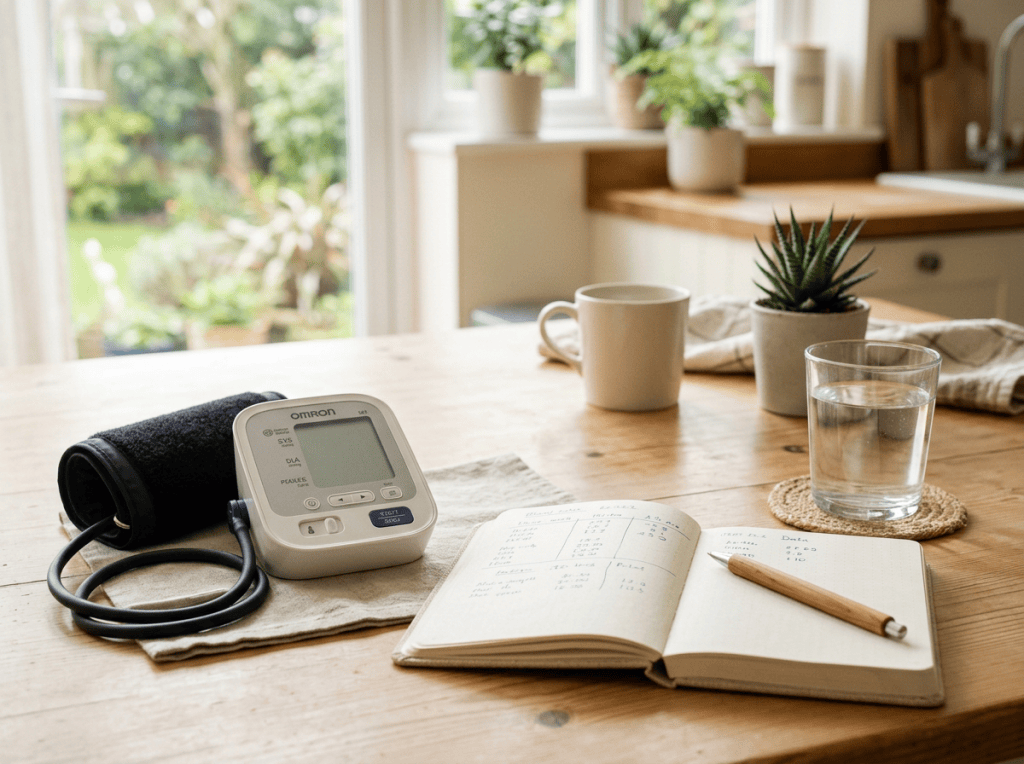
Home monitoring can be useful for some people. Before taking a reading, sit quietly for several minutes. Keep your feet supported, your back resting against the chair, and your arm positioned appropriately.
Avoid immediately measuring blood pressure after exercise, smoking, or consuming caffeine.
A single unusual reading does not necessarily mean that you have hypertension. Healthcare professionals usually consider repeated measurements and the overall clinical picture.
4. When to Seek Medical Attention
Extremely high blood pressure accompanied by symptoms such as severe chest pain, difficulty breathing, severe headache, confusion, weakness, vision changes, or other concerning symptoms may require urgent medical attention.
Anyone with repeatedly elevated readings should discuss them with a healthcare professional.
Conclusion
High blood pressure often develops without obvious warning signs. Regular monitoring, a balanced diet, physical activity, healthy weight management, avoiding tobacco, and appropriate medical care can all play important roles in cardiovascular health.
Medical Disclaimer: This article is educational and should not replace medical evaluation or treatment.


Leave a Reply